Future of Innovation & Smart Systems
Diploma in Electronics Technology
Build a strong foundation in modern electronics, digital systems, and automation. This program equips students with practical skills in circuit design, electronic devices, troubleshooting, and emerging technologies to prepare them for careers in industry and innovation.
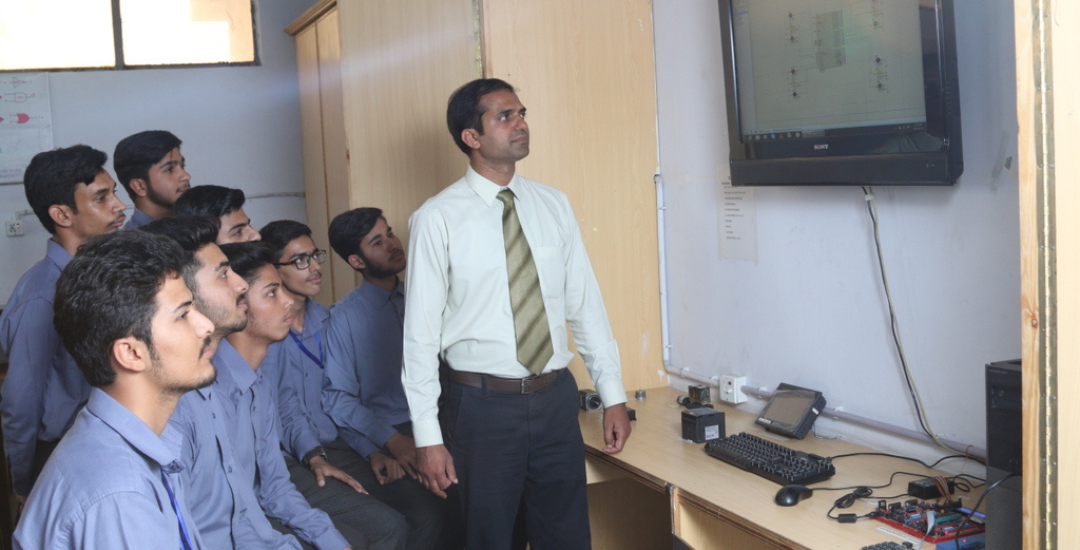
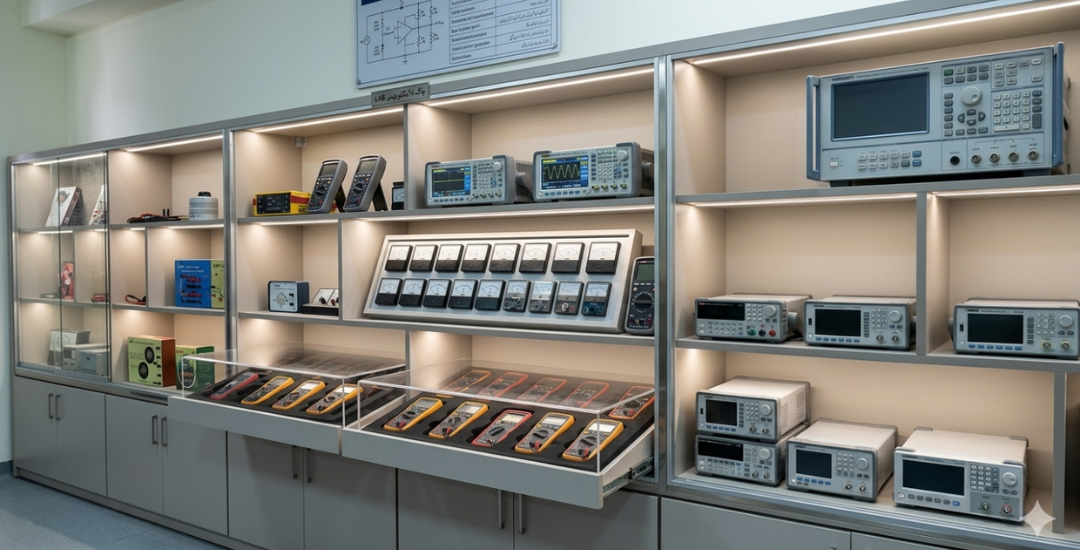
Electronics Technology
Choosing to study Electronics Technology is a practical move that opens doors across multiple industries, from telecommunications to renewable energy. Whether you are looking at it from a career perspective or a technical skill-building lens, the field offers some heavy-hitting advantages.
Here are three key benefits
High Demand and Career Versatility
Electronics are the backbone of modern life. Because almost every sector—healthcare, aviation skilled technicians is consistently high. You aren’t limited to one type of job; you can work in circuit design, industrial automation, or even consumer electronics repair., automotive, and manufacturing—relies on electronic systems, the demand for
Hands-On Problem Solving
Unlike purely theoretical fields, electronics technology focuses on applied learning. You gain the tangible skill of diagnosing a problem, reading a schematic, and physically repairing or building a solution. This “troubleshooting” mindset is a highly transferable skill that makes you an effective problem solver in any professional environment.
3. A Foundation for Future Innovation
The world is moving toward automation, Robotics, and the Internet of Things (IoT). A course in electronics provides the fundamental knowledge of how components interact and how signals are processed. This foundation allows you to stay relevant as technology evolves, making it much easier to transition into specialized high-tech fields like:
- Renewable Energy Systems (Solar/Wind power inverters)
- Electric Vehicle (EV) Technology
- Smart Home Integration
Pro-Tip: If you’re looking into specific certifications, focusing on Microcontrollers or Digital Logic Design can often give you a competitive edge in the current job market.
Program Roadmap
Explore the course roadmap of Electronics Technology
| CODE | SUBJECT NAME | T | P | C |
|---|---|---|---|---|
| GEN 111 | ISLAMIAT / PAKISTAN STUDIES | 1 | 0 | 1 |
| TTQ 111 | Tarjuma-Tul-Quran | 1 | 0 | 1 |
| ENG 112 | ENGLISH | 2 | 0 | 2 |
| MATH 123 | APPLIED MATHEMATICS – I | 3 | 0 | 3 |
| PHY 122 | APPLIED PHYSICS | 1 | 3 | 2 |
| CH 132 | APPLIED CHEMISTRY | 1 | 3 | 2 |
| COMP 182 | ICT FUNDAMENTALS | 1 | 3 | 2 |
| ELTR 124 | ELECTRICAL CIRCUITS | 3 | 3 | 4 |
| ELTR 133 | ELECTRONICS DEVICES | 2 | 3 | 3 |
| ELTR 142 | BASIC ENGINEERING DRAWING AND CAD | 1 | 3 | 2 |
| ELTR 151 | ELECTRICAL WIRING | 0 | 3 | 1 |
| TOTAL | 16 | 21 | 23 | |
| CODE | SUBJECT NAME | T | P | C |
|---|---|---|---|---|
| GEN 201 | ISLAMIAT / PAKISTAN STUDIES | 1 | 0 | 1 |
| TTQ 211 | Tarjuma-Tul-Quran | 1 | 0 | 1 |
| MATH 233 | Applied Mathematics – II | 3 | 0 | 3 |
| COMS 211 | COMMUNICATION SKILLS | 1 | 0 | 1 |
| ELTR 212 | Propagation Of Electromagnetic Waves | 2 | 0 | 2 |
| ELTR 225 | Analog Electronics | 3 | 6 | 5 |
| ELTR 233 | Electrical Instruments & Measurements | 2 | 3 | 3 |
| ELTR 243 | Electrical Machines | 2 | 3 | 3 |
| ELTR 253 | Communication Systems | 2 | 3 | 3 |
| ELTR 264 | Digital Electronics | 3 | 3 | 4 |
| ELTR 271 | PCB Fabrication | 0 | 3 | 1 |
| TOTAL | 20 | 21 | 27 | |
| CODE | SUBJECT NAME | T | P | C |
|---|---|---|---|---|
| GEN 301 | ISLAMIAT / PAKISTAN STUDIES | 1 | 0 | 1 |
| MGM 311 | INDUSTRIAL MANAGEMENT & HUMAN RELATIONS | 1 | 0 | 1 |
| OSHE 311 | OCCUPATIONAL SAFETY, HEALTH & ENVIRONMENT | 1 | 0 | 1 |
| ELTR 314 | COMPUTER ARCHITECTURE | 3 | 3 | 4 |
| ELTR 303 | EQUIPMENT MAINTENANCE & SERVICING | 1 | 6 | 3 |
| ELTR 332 | PROJECT | 0 | 6 | 2 |
| ELTR 343 | INDUSTRIAL ELECTRONICS | 2 | 3 | 3 |
| ELTR 353 | POWER ELECTRONICS | 2 | 3 | 3 |
| ELTR 363 | MICROCONTROLLER PROGRAMMING & APPLICATIONS | 2 | 3 | 3 |
| TOTAL | 13 | 24 | 21 | |
| GRAND TOTAL | 48 | 69 | 71 | |